Lacto Japan Group operates its business on a foundation rooted in dairy farming and livestock production, both of which are primary industries. We therefore recognize the impacts of climate change as a critical issue that directly affects the core of our business. To contribute to a sustainable society, our Group has set the goal of achieving carbon neutrality by 2050 and is advancing initiatives to address climate change in pursuit of a decarbonized society.
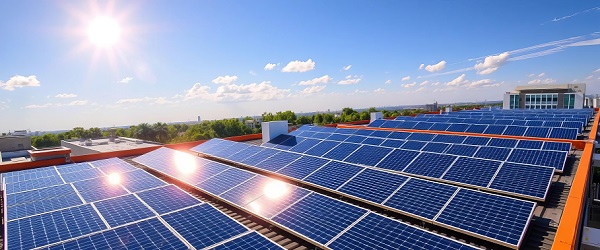
At Lacto Japan Group’s Singapore plant, we have installed solar panels in conjunction with the relocation to a new facility, advancing our efforts toward energy conservation. We are also introducing LED lighting and adopting energy-efficient equipment when replacing machinery, thereby promoting environmentally conscious operations.
In our Group’s plants, steam is used for processes that require heating; however, this does not represent a major portion of total water usage. The largest volume of water is consumed during post-production cleaning, which is an essential process for maintaining hygiene control.
For wastewater treatment, we have introduced facilities and equipment that comply with the regulations of the country or region where each plant is located. While we recognize that the environmental impact of water use in production countries is not particularly large, we are working to accelerate environmental conservation efforts by improving our collection of environmental data, including water usage.
Lacto Japan Group is also pursuing initiatives to optimize logistics. In Japan, we utilize gate-front warehouses for product delivery. A gate-front warehouse is a warehouse located near a customer’s manufacturing plant, enabling maximum efficiency in distribution.

Lacto Japan is working to reduce greenhouse gas emissions in its offices by introducing LED lighting and energy-efficient equipment. We are also advancing environmentally conscious office operations, including switching to electricity sourced from renewable energy.
